
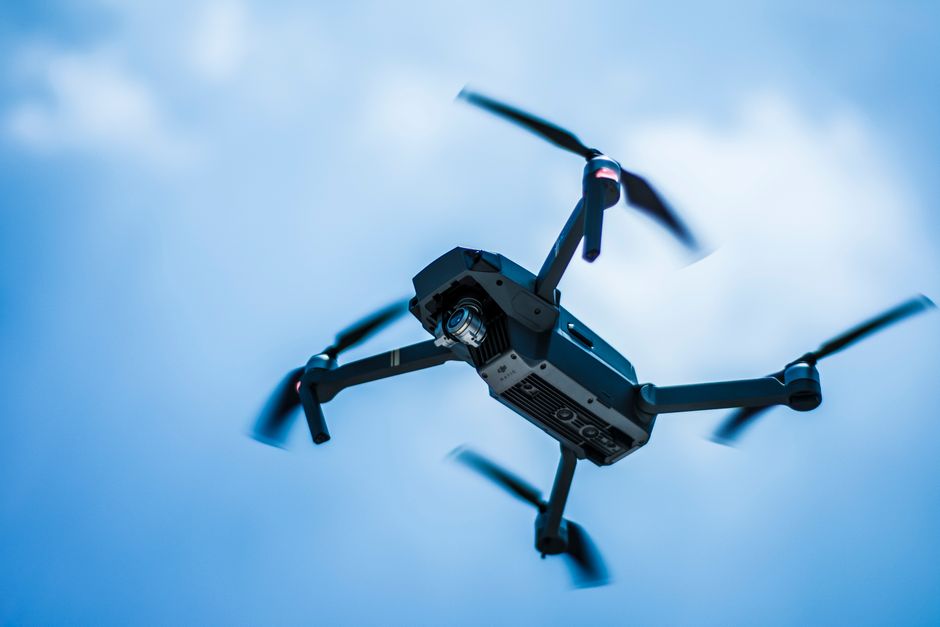

Introduction to Drone Technology in Wind Turbine Maintenance
Wind energy has become a cornerstone of sustainable power generation worldwide. As the number of wind turbines grows, maintaining their operational efficiency and safety becomes paramount. Traditional inspection methods, often involving rope access or helicopter surveys, can be time-consuming, expensive, and pose safety risks. In recent years, the advent of drone technology has revolutionized how wind turbine operators conduct maintenance checks. Incorporating drone inspections of wind turbines has proven to be a game-changer by providing detailed, efficient, and safer inspection processes.
Advantages of Using Drones for Wind Turbine Inspections
Utilizing drones for wind turbine health assessments offers numerous benefits, making them an increasingly preferred tool in the renewable energy sector. These advantages include:
- Enhanced Safety: Drones eliminate the need for technicians to climb turbines or use helicopters, significantly reducing the risk of accidents.
- Cost Efficiency: Compared to traditional inspection methods, drones require less manpower and operational costs, leading to substantial savings.
- Speed and Accessibility: Drones can quickly access hard-to-reach areas such as blade tips and nacelles, providing comprehensive inspections within shorter timeframes.
- High-Resolution Imaging: Equipped with advanced cameras and sensors, drones capture high-definition images and thermal data for accurate defect detection.
- Data Collection and Analysis: Automated flight paths and software integration allow for consistent data collection, aiding predictive maintenance and decision-making.
Key Technologies and Capabilities in Drone Inspections
Several technological features empower drones to perform detailed inspections of wind turbines:
- Surveillance Drone Capabilities: Surveillance drones equipped with optical and thermal cameras can detect surface cracks, lightning strikes, and overheating components.
- UAV vs Drone: While UAV (Unmanned Aerial Vehicle) and drone are often used interchangeably, UAV typically refers to the entire system including the remote control and ground stations, whereas drone often refers to the flying component itself. Both are integral in utility inspections.
- Commercial Drones: Designed for industrial applications, commercial drones offer longer flight times, greater payload capacities, and advanced navigation systems essential for utility inspection tasks.
- Drone Utility Inspection: This specialized application focuses on inspecting critical infrastructure like wind turbines, power lines, and solar panels, ensuring uninterrupted energy production.
- Drone Security Measures: Security protocols such as geofencing, encrypted communication, and collision avoidance systems help safeguard both the drone and the infrastructure during inspections.
Implementing Drone Inspections in Wind Turbine Maintenance Programs
Integrating drone inspections into wind turbine maintenance involves several strategic steps:
- Assessment and Planning: Identifying inspection objectives, defining flight paths, and selecting appropriate drone platforms based on turbine specifications.
- Regulatory Compliance: Ensuring adherence to aviation laws, obtaining necessary permits, and aligning with safety standards for commercial drone operations.
- Data Collection: Executing systematic flights to capture images and sensor data, focusing on critical turbine components such as blades, towers, and gearboxes.
- Data Analysis and Reporting: Utilizing specialized software to analyze collected data for defect identification, trend analysis, and maintenance prioritization.
- Follow-Up Actions: Scheduling repairs or further inspections based on drone findings to prevent failures and prolong turbine lifespan.
Future Trends in Drone-Assisted Wind Turbine Health Monitoring
As drone technology continues to evolve, several emerging trends are set to enhance wind turbine inspections further:
- Artificial Intelligence Integration: AI algorithms will enable automatic detection of defects and predictive analytics for maintenance planning.
- Swarm Drone Operations: Coordinated fleets of drones may perform simultaneous inspections of multiple turbines, increasing efficiency.
- Improved Sensor Technologies: Advancements in multispectral and lidar sensors will provide deeper insights into turbine conditions beyond visual inspections.
- Extended Flight Times: Enhanced battery life and alternative power sources will allow drones to cover larger wind farms without interruption.
- Enhanced Drone Security: Continued improvements in cybersecurity and flight control will protect sensitive infrastructure from unauthorized drone activities.
Harnessing Drone Innovation for Sustainable Energy
The integration of drone technology into wind turbine maintenance marks a significant step forward in sustainable energy management. Through precise drone inspections of wind turbines, operators can ensure optimal performance, reduce downtime, and extend the operational life of their assets. As technological advancements continue to unfold, drones will play an increasingly vital role in safeguarding the future of wind energy infrastructure, combining safety, efficiency, and intelligence in one comprehensive solution.